Advances in Sealing Solutions for Modern Food Processing
The global food processing landscape is currently undergoing a radical technological transformation. Driven by rising labor costs, persistent worker shortages, and...


The global food processing landscape is currently undergoing a radical technological transformation. Driven by rising labor costs, persistent worker shortages, and...
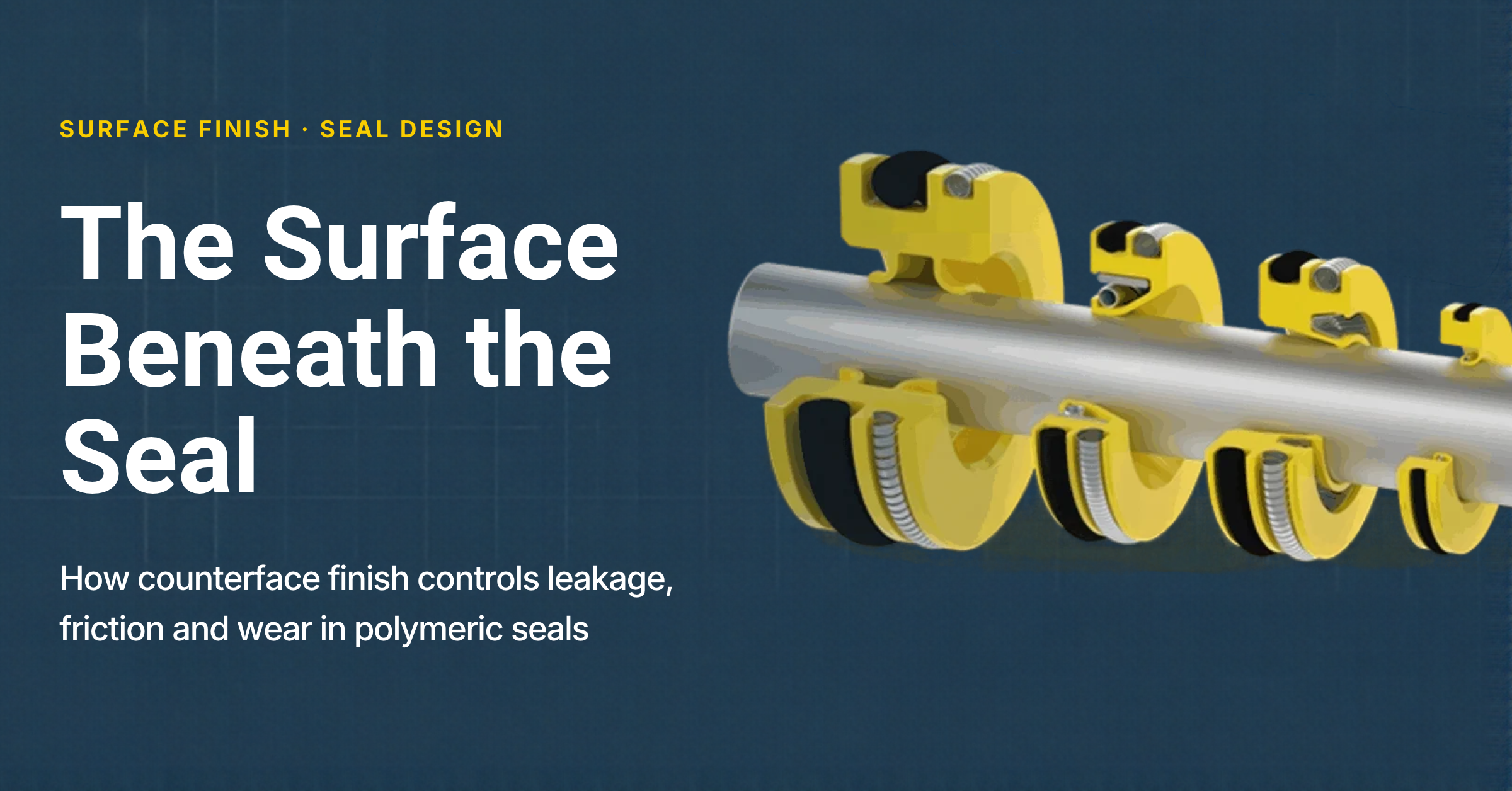
The surface texture of mating components is fundamental to the reliable operation of both static and dynamic polymeric seals. Achieving a successful seal requires balancing contradictory demands: maintaining a fluid film thick enough for lubrication while keeping it thin enough to meet stringent leakage criteria.

As the global transition toward cleaner energy sources intensifies, industries ranging from aerospace and aviation to maritime and power generation are...
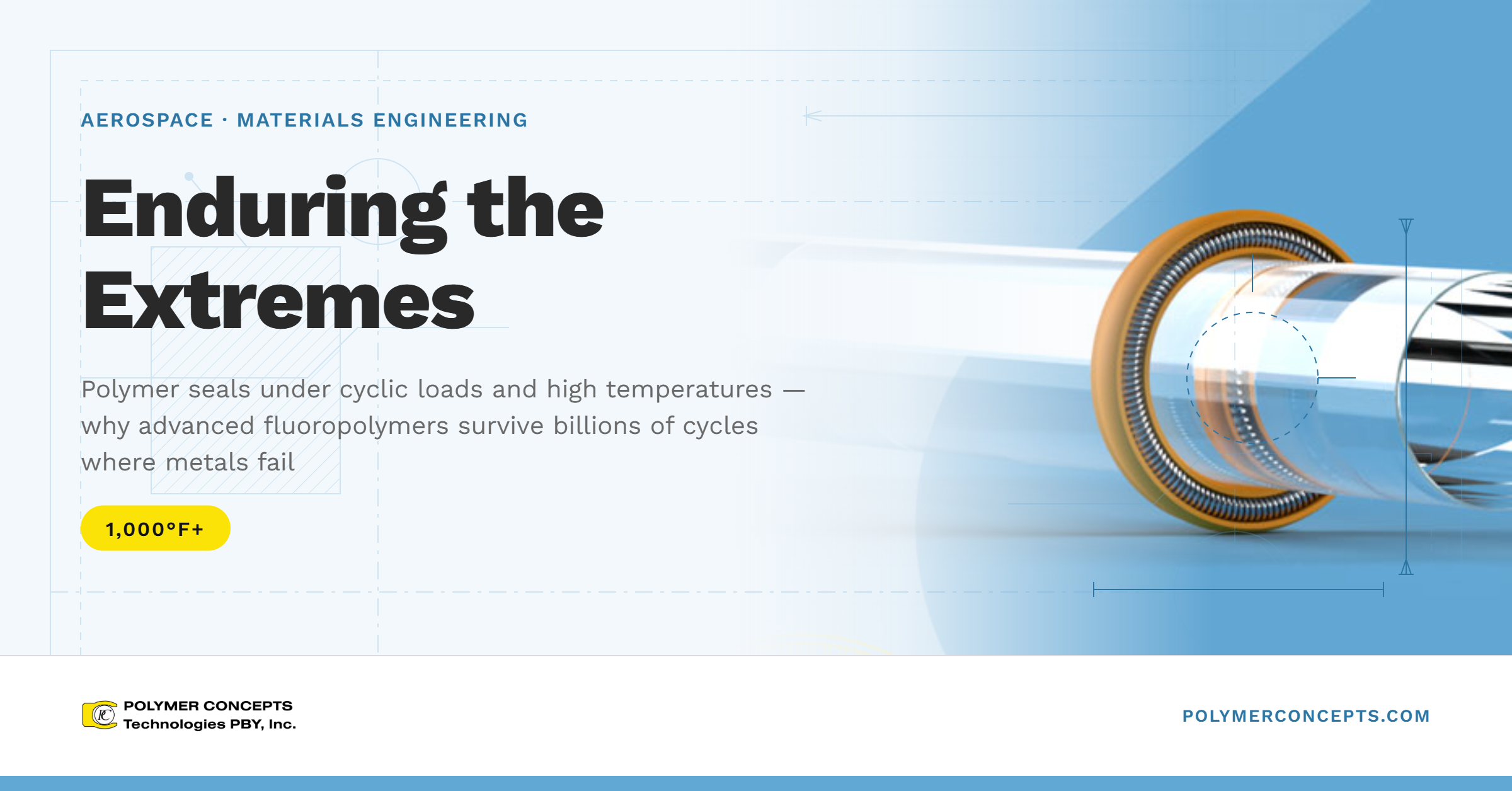
Theaerospace industrypresents a frontier of remarkable technological feats, with components designed to endure both intense forces and extreme environmental conditions....
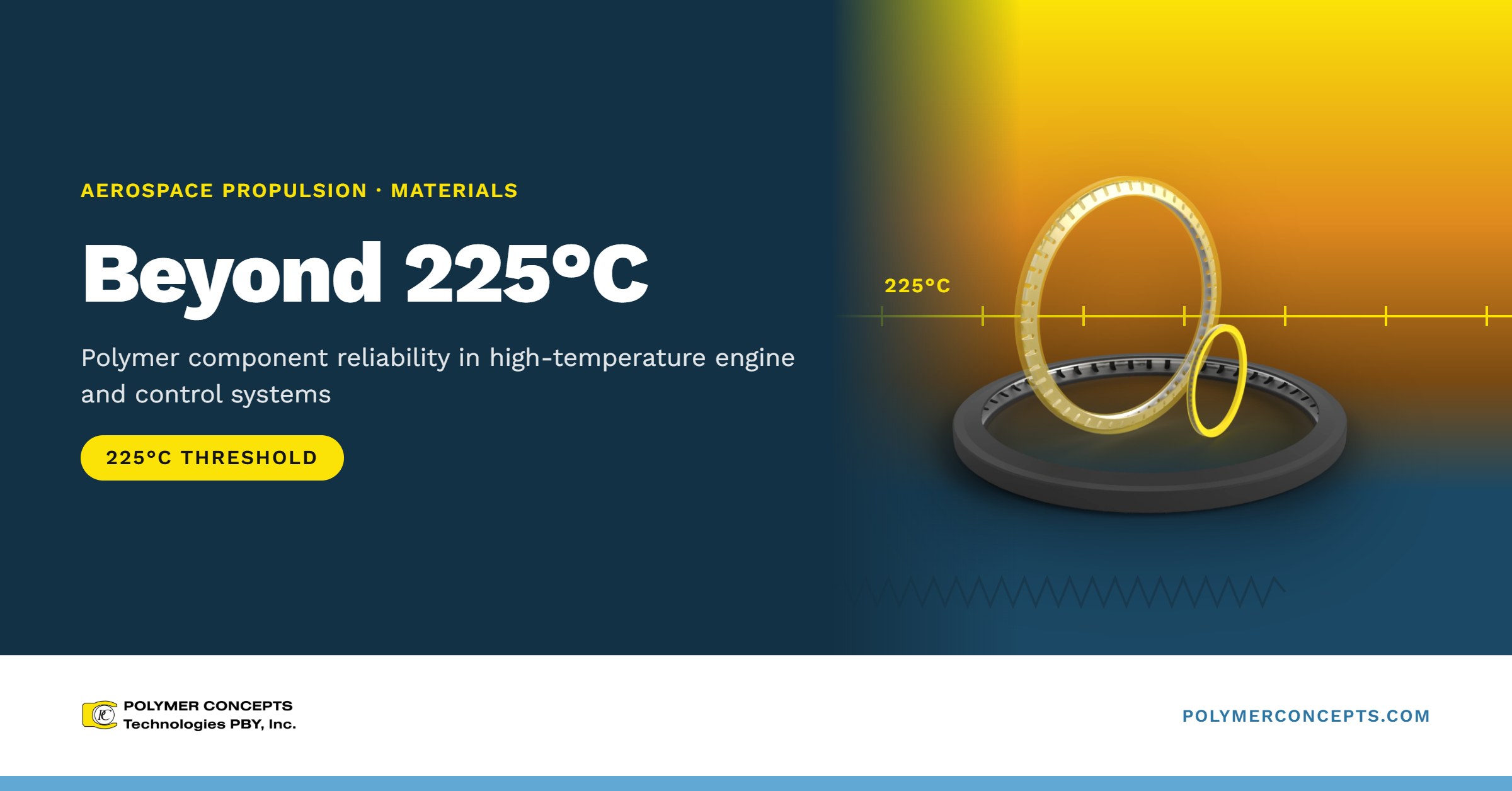
The realm of aerospace propulsion is one of relentless innovation and unyielding extremes. Among the myriad challenges faced by designers and engineers, the high...

Efficiently managing heat in an aircraft is not just about comfort; it's a critical factor in ensuring the safety and performance of the entire system. Aircraft Thermal...

In genomic and proteomic research, liquid handling systems—primarily pipettors and dispensers—transfer DNA or protein solutions into microwells or onto substrates, often...

Face seals are integral components in various industrial applications requiring high reliability and durability. These seals are crucial in ensuring that machinery operates efficiently and without leaks, making them vital in sectors such as automotive, aerospace, and manufacturing. The effectiveness of these seals is heavily dependent on the precise sizing of the glands they fit into, which must be meticulously designed to accommodate the seals perfectly. This article provides a detailed examination of standard gland sizes, focusing on their significance, dimensions, and specific design considerations to enhance seal performance. We will discuss the material properties of the seals, the environmental conditions they must withstand, and the importance of regular maintenance to ensure longevity and reliability. By understanding these factors, manufacturers and engineers can make informed decisions to optimize their systems and prolong the lifespan of their equipment.

In the healthcare and life science industries, ensuring the safety and efficiency of manufacturing processes is crucial for companies. One critical component that often goes unnoticed is the use of FDA compliant sealing materials. These materials play a vital role in maintaining safety, reliability, and adherence to stringent regulatory standards, preventing contamination, and ensuring consumer safety.

Radial seals are integral components in various industrial applications that demand high reliability and durability. These seals play a crucial role in preventing leakage and maintaining the integrity of machinery under high-pressure and high-temperature conditions. The effectiveness of these seals is heavily dependent on the precise sizing of the glands they fit into, as even minor deviations can lead to significant performance issues.
