Enduring the Extremes: Polymer Seals Under Cyclic Loads and High Temperatures
Theaerospace industrypresents a frontier of remarkable technological feats, with components designed to endure both intense forces and extreme environmental conditions....

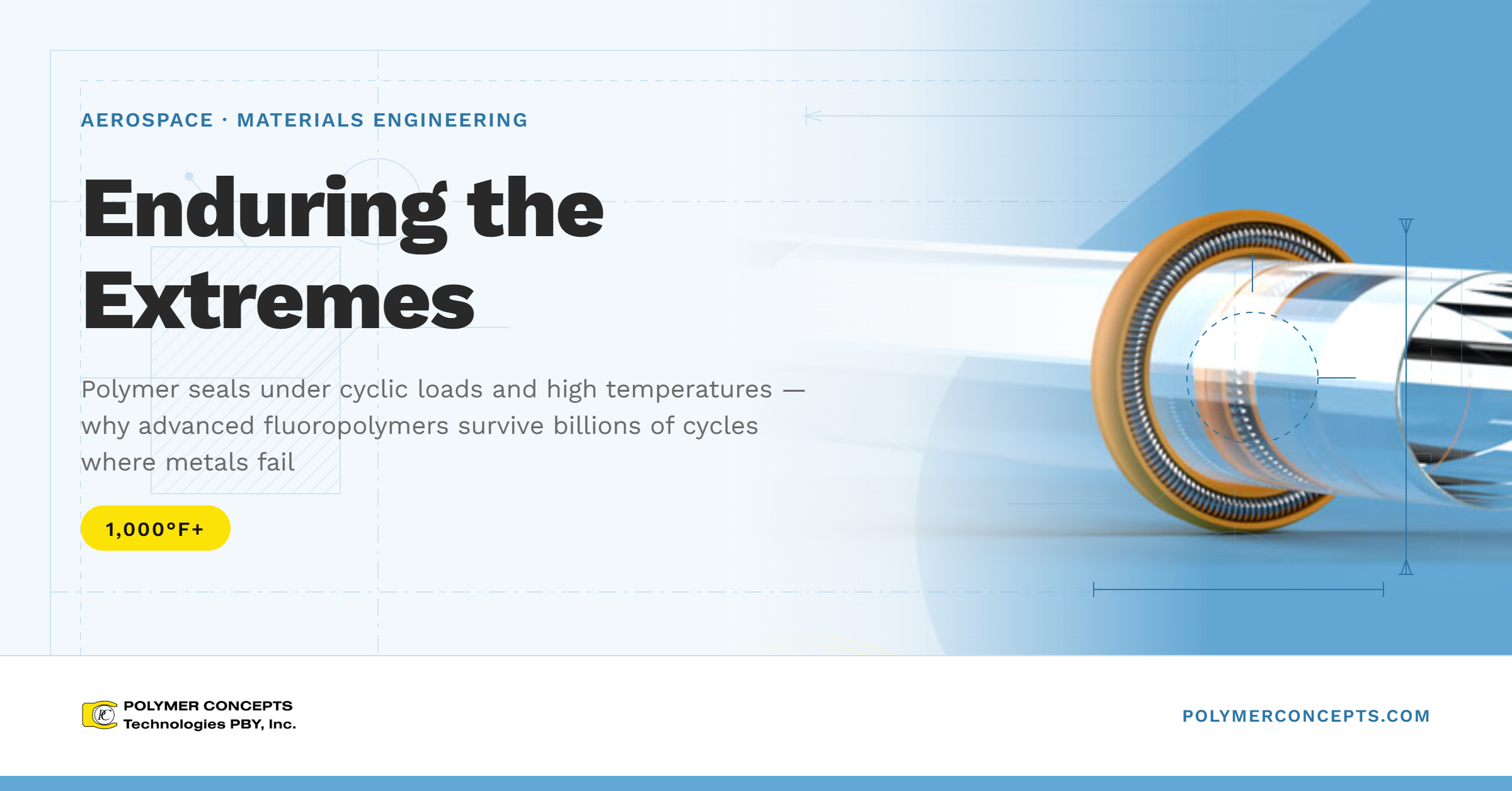
Theaerospace industrypresents a frontier of remarkable technological feats, with components designed to endure both intense forces and extreme environmental conditions....
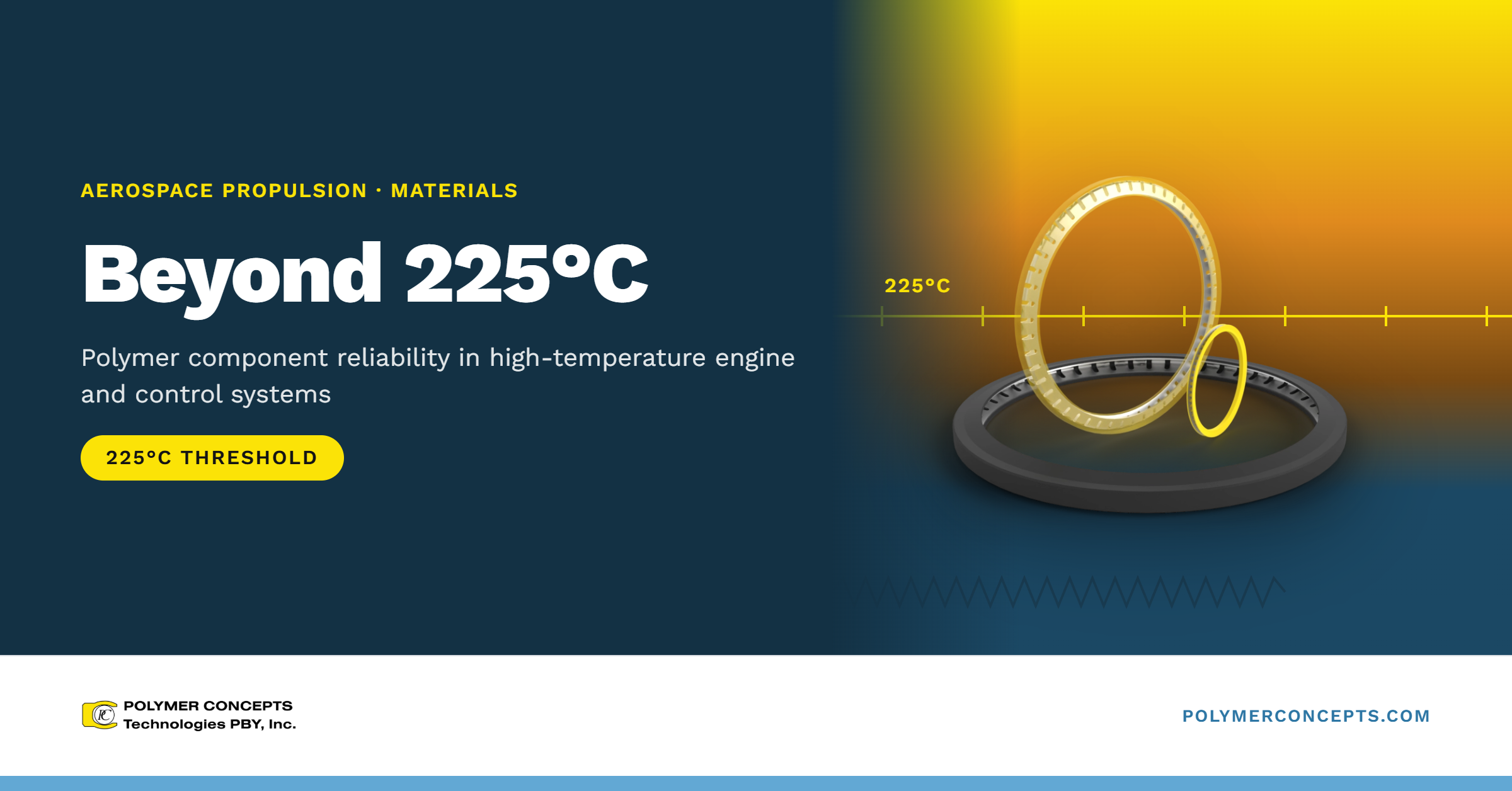
The realm of aerospace propulsion is one of relentless innovation and unyielding extremes. Among the myriad challenges faced by designers and engineers, the high...

Efficiently managing heat in an aircraft is not just about comfort; it's a critical factor in ensuring the safety and performance of the entire system. Aircraft Thermal...

In genomic and proteomic research, liquid handling systems—primarily pipettors and dispensers—transfer DNA or protein solutions into microwells or onto substrates, often...

Face seals are integral components in various industrial applications requiring high reliability and durability. These seals are crucial in ensuring that machinery operates efficiently and without leaks, making them vital in sectors such as automotive, aerospace, and manufacturing. The effectiveness of these seals is heavily dependent on the precise sizing of the glands they fit into, which must be meticulously designed to accommodate the seals perfectly. This article provides a detailed examination of standard gland sizes, focusing on their significance, dimensions, and specific design considerations to enhance seal performance. We will discuss the material properties of the seals, the environmental conditions they must withstand, and the importance of regular maintenance to ensure longevity and reliability. By understanding these factors, manufacturers and engineers can make informed decisions to optimize their systems and prolong the lifespan of their equipment.

In the healthcare and life science industries, ensuring the safety and efficiency of manufacturing processes is crucial for companies. One critical component that often goes unnoticed is the use of FDA compliant sealing materials. These materials play a vital role in maintaining safety, reliability, and adherence to stringent regulatory standards, preventing contamination, and ensuring consumer safety.

Radial seals are integral components in various industrial applications that demand high reliability and durability. These seals play a crucial role in preventing leakage and maintaining the integrity of machinery under high-pressure and high-temperature conditions. The effectiveness of these seals is heavily dependent on the precise sizing of the glands they fit into, as even minor deviations can lead to significant performance issues.

Seals play a crucial role in various industries, ensuring the integrity of systems and preventing leakage. However, the performance of seals depends not only on the sealing material itself but also on the filler materials used. Filler materials, also known as fillers or reinforcements, are substances added to the sealing material to enhance its properties and improve sealing performance. In this blog, we will dive into the importance of filler materials in seals, the different types of fillers available, their impact on seal performance, and their role in various industries.
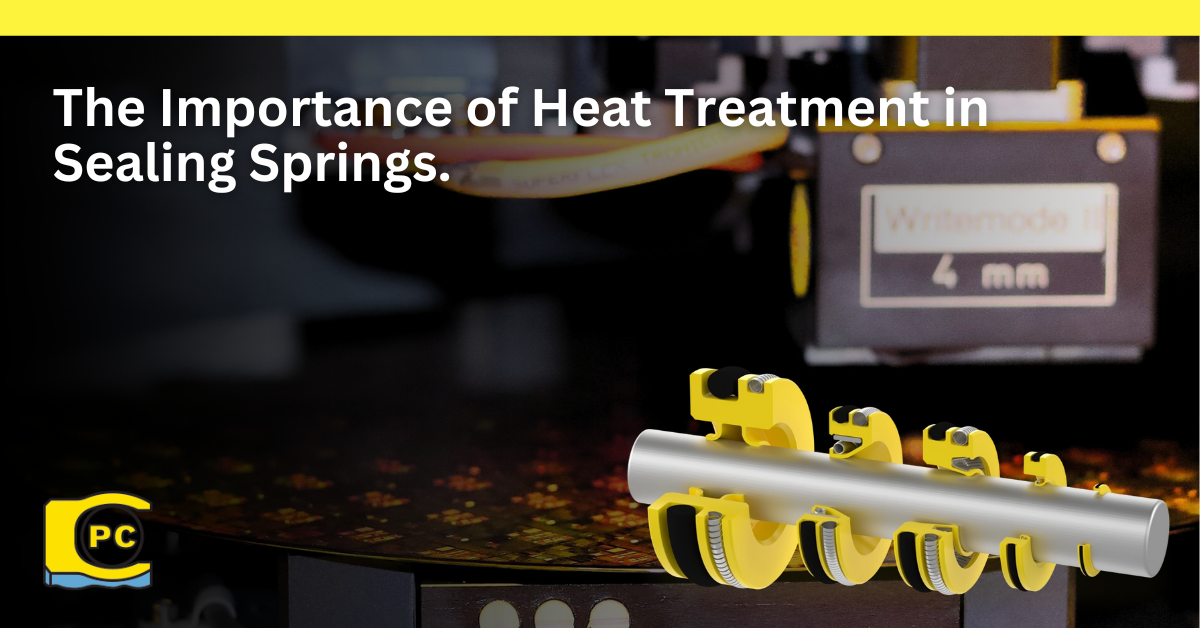

Seals play a critical role in the smooth functioning of mechanical systems. They prevent leakage, reduce friction, and enhance the overall efficiency of machines. However, an understanding of friction in seals is essential to ensure that they perform optimally. In this blog, we will explore the basics of friction in seals, including its principles, types, and factors affecting it. We'll also delve into the mechanics behind breakaway (stiction) and running mechanics in seals and discuss how to master friction calculations for enhanced performance. Additionally, we'll examine techniques for minimizing seal friction and reducing wear and tear through advanced materials. Finally, we will look at technology's role in understanding seal friction, future trends in seal friction management, and upcoming innovations for reducing friction and improving efficiency.
