Engineered Seals for Where O-Rings Fail
Polymer Concepts designs and manufactures spring-energized seals, PTFE rotary lip seals and precision machined polymer components for cryogenic, high-temperature, high-pressure and chemically aggressive service, from rocket engines to surgical robots.
What Is Custom Polymer Seal Engineering?
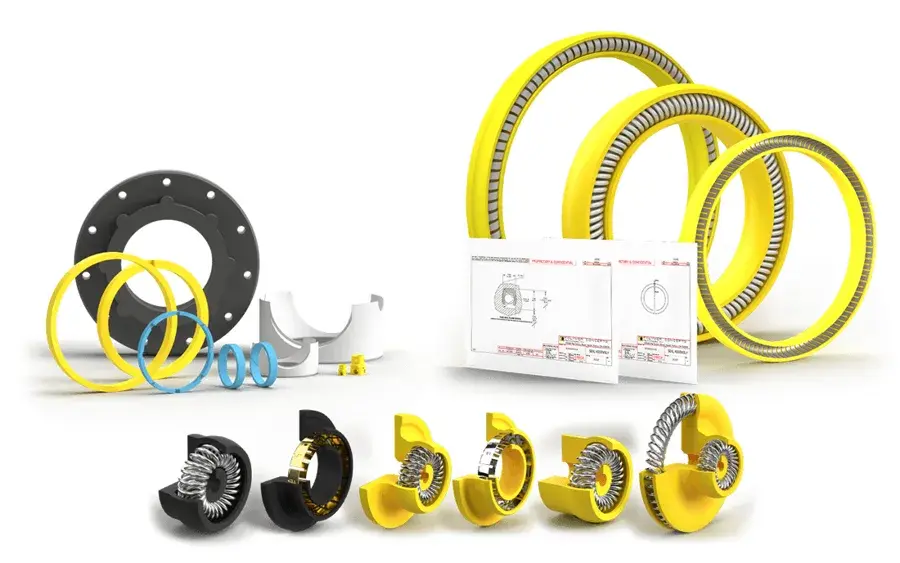
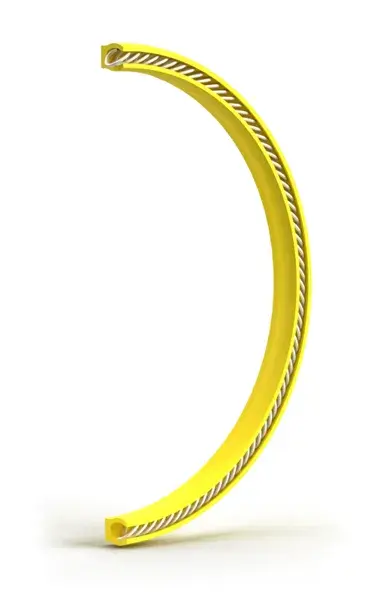
Custom polymer seal engineering is the process of designing, compounding and machining high-performance thermoplastic sealing components for extreme environments where standard elastomeric O-rings fail. We pair fluoropolymers like PTFE, PEEK, UHMWPE and PCTFE with custom energizing spring geometries to deliver zero-leakage performance under extreme temperature, pressure and chemical exposure.
| Operational Parameter | Standard Elastomer O-Ring | Custom Engineered Polymer Seal |
|---|---|---|
| Temperature Range | -65°F to +400°F | -450°F to +600°F (cryogenic to high-temp) |
| Max Working Pressure | Less than 1,500 PSI | Up to 60,000 PSI |
| Chemical Resistance | Swells or degrades in solvents | Near-universal chemical inertness (pH 0–14) |
| Dynamic Friction | High stick-slip stiction | Ultra-low static and dynamic friction |
| Shelf Life & Outgassing | Subject to outgassing and aging decay | Indefinite shelf life, zero-outgassing grades |
Custom Seal & Component Manufacturing Services
End-to-end engineering from first gland drawing to production, under AS9100D and ISO 9001:2015 quality management systems.
Engineered Seal Designs
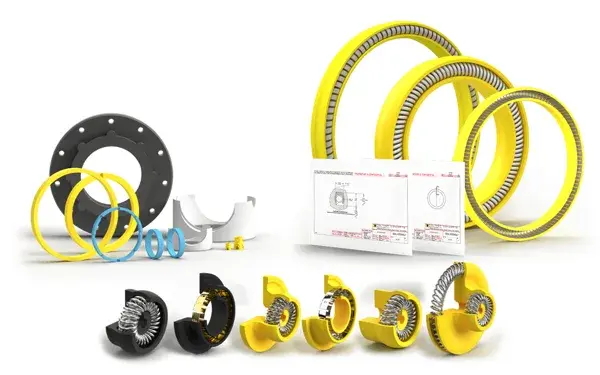
Application-specific jacket profiles (radial, axial, face seals) and spring energizers built around your hardware gland dimensions.
Quick Prototyping
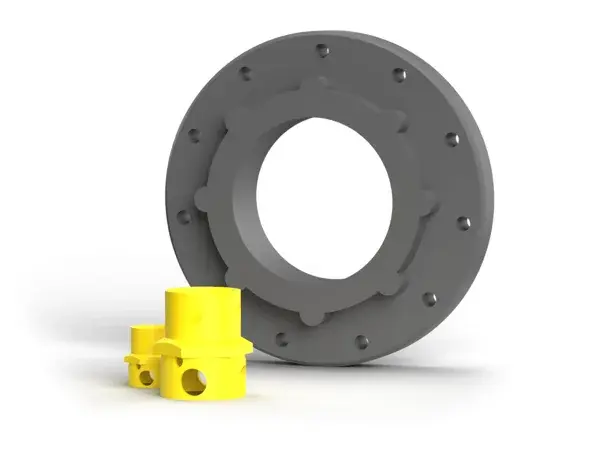
CNC precision machining of polymer jackets and in-house spring winding to put functional test samples in your hands fast.
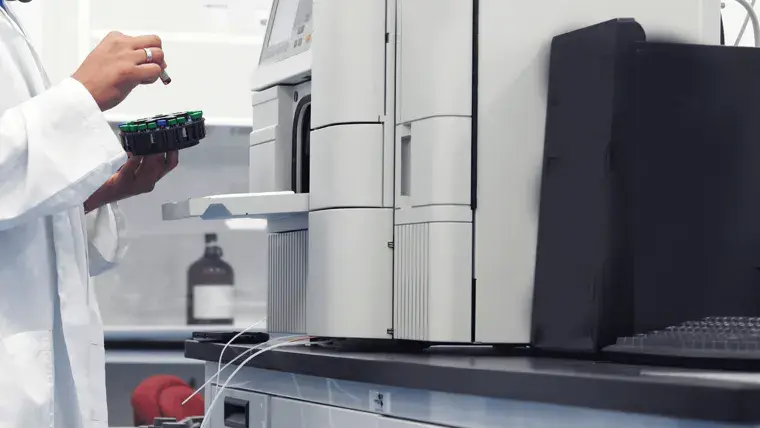
Material Testing & Polymer Analysis
DSC, tensile testing and chemical compatibility evaluations to verify polymer performance under real operating stress.
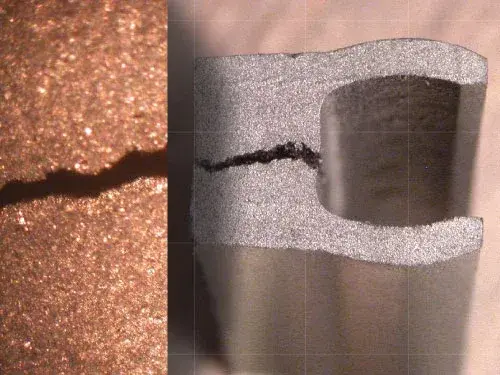
Seal Failure Analysis
Forensic investigation of degraded, extruded or worn seals with microscopic inspection and thermal profiling to find the root cause.
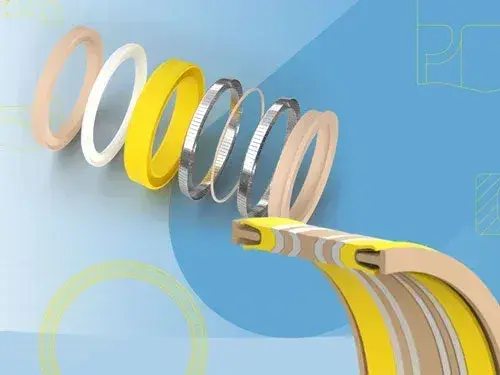
Reverse Engineered Seal Designs
Dimensional measurement and material characterization of legacy or obsolete seals to manufacture exact-fit replacements.
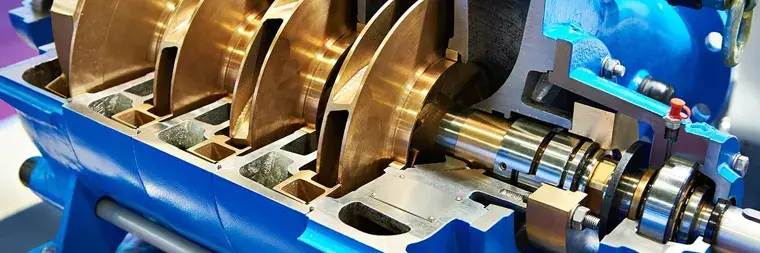
Hardware Design Consulting
Optimize gland tolerances, surface finish (Ra), lead-in chamfers and mating materials before you commit to final tooling.
Spring-Energized Seals & Precision Components
Five product series engineered for distinct static, dynamic, rotary and mechanical loading requirements.
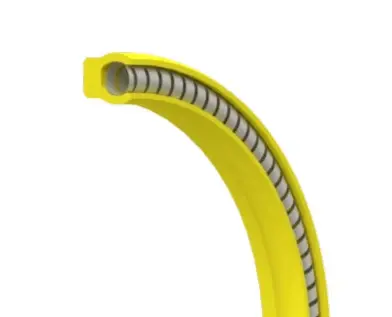
Helical Spring Seals
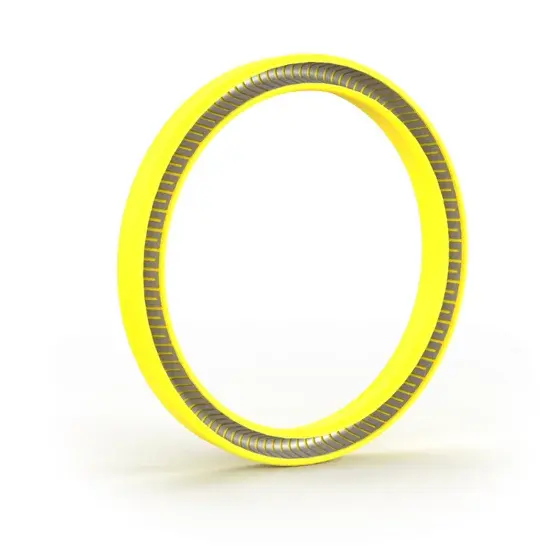
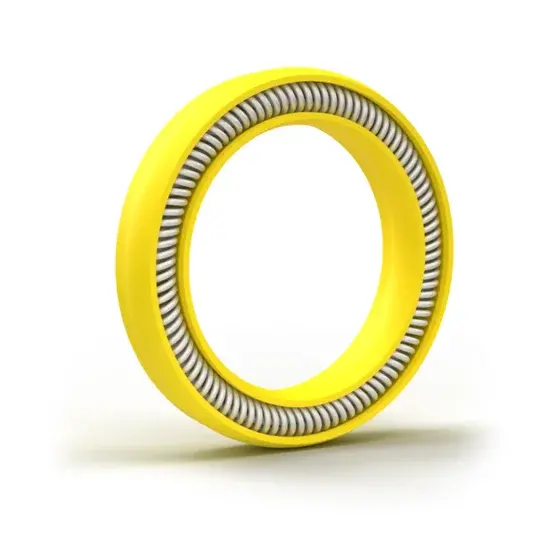
Flat wire wound in a helical pattern for very high load per unit deflection: maximum sealing force.
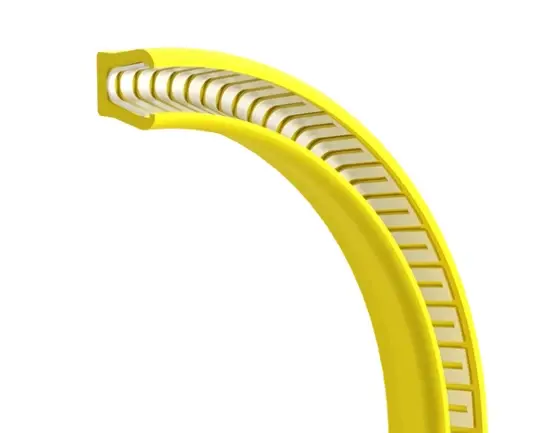
Cantilever Spring Seals
U-shaped cantilever beam spring delivering moderate load over a wide deflection range.
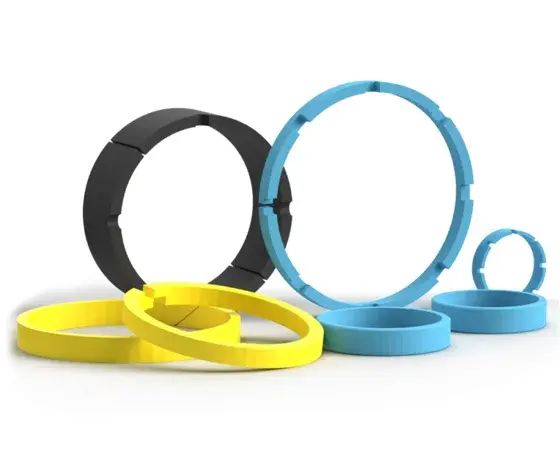
Precision Machined Polymer Components
PTFE, PEEK, PCTFE and Torlon machined to tolerances tighter than ±0.0005".
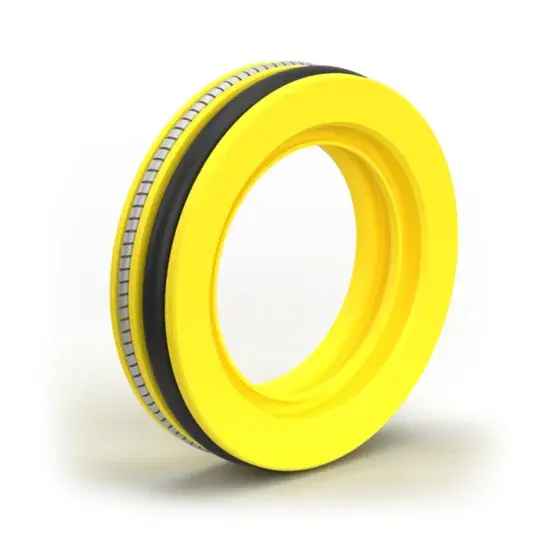
Advanced PTFE Rotary Lip Seals
Single or multi-lip PTFE elements in stainless or aluminum casings for surface speeds above 5,000 FPM.
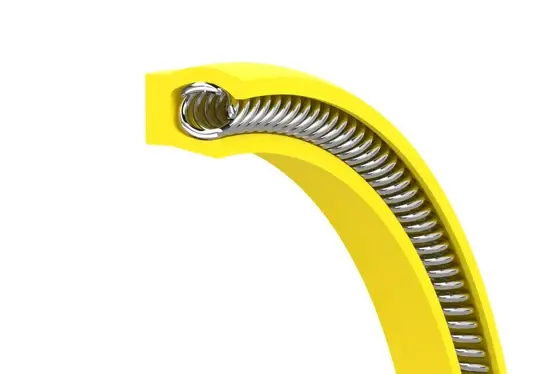
Slant Coil Spring Seals
Individual coils yield a near-flat load-versus-deflection curve across a broad working range.
Let an application engineer select it for you.
Share your temperature, pressure, media, speed and gland dimensions. We'll recommend the series, jacket material and spring metallurgy.
Start a Design RequestHigh-Performance Polymer Materials
Virgin and filled fluoropolymers selected for thermal stability, chemical compatibility, wear resistance and mechanical strength.
| Material Grade | Temperature Range | Tensile Strength (PSI) | Key Performance Characteristics |
|---|---|---|---|
| Virgin PTFE | -450°F to +500°F | 3,500 – 4,500 | Lowest coefficient of friction, universal chemical inertness |
| Carbon-Filled PTFE | -400°F to +500°F | 2,500 – 3,500 | High wear and abrasion resistance in unlubricated gas service |
| Glass-Filled PTFE | -400°F to +500°F | 2,000 – 3,000 | Reduced compressive creep (cold flow) under high loads |
| PEEK | -70°F to +500°F | 14,000 – 16,000 | Extreme structural stiffness, ideal for backup rings and seats |
| UHMWPE | -300°F to +180°F | 5,500 – 7,000 | Outstanding water and abrasive slurry wear resistance |
| PCTFE | -400°F to +350°F | 7,000 – 9,000 | Near-zero gas permeability, cryogenic valve seat standard |
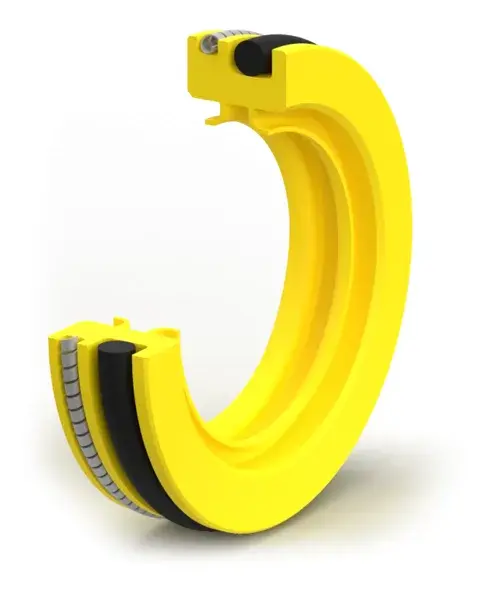
PTFE (Teflon®)
Inert across pH 0–14. Carbon, glass and bronze fills tune wear, creep and heat dissipation.
PEEK
Stiffness and compressive strength for backup rings, HP valve seats and downhole tools.
UHMWPE / UHMW
Resists abrasive media and water-based fluids: isolators, slurry pumps.
PCTFE
Low outgassing, near-zero permeability for cryogenic seats and semiconductor gas lines.
Engineered Sealing Solutions for Every Industry
Space Exploration
Rocket engine turbopumps, fuel tanks, breakaway disconnects, launchpad valving, landing gear.
Aerospace & Defense
Fuel control valves, pneumatic actuators, hydraulic landing gear and braking systems.
Medical Devices
Surgical robotics, high-speed drills and saws, reciprocating instruments, oxygen concentrators.
Life Sciences / HPLC
HPLC and UHPLC pumps, isolators, autoclaves and sterilizers.
Semiconductor
Wafer handling arms, robotics, plasma etch and CVD valves.
Energy / Oil & Gas
Downhole tools, API-6A wellhead valves, gas compressors, rotary swivels.
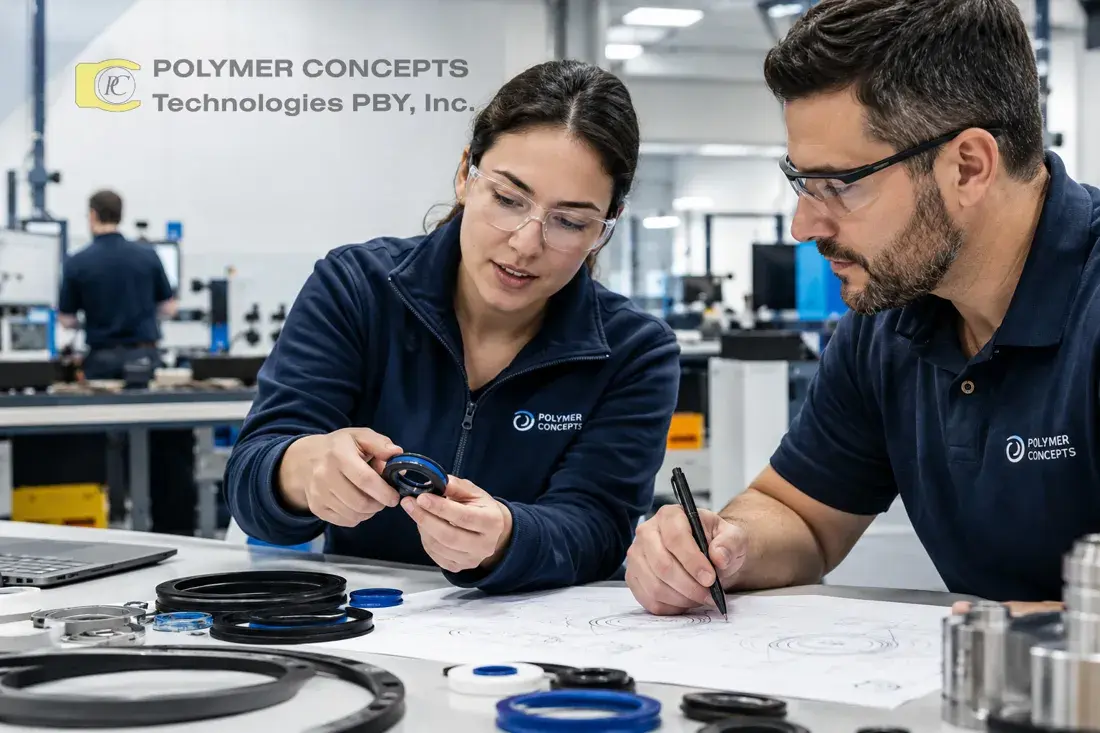
The Industry-Leading Engineered Seal Manufacturer
Polymer Concepts Technologies designs, engineers and manufactures application-specific sealing solutions and high-performance polymer and fluoropolymer components. A collaborative technical approach, a vast material portfolio and experienced manufacturing methodology tackle the most difficult applications.
Certified for Flight-Critical Work
Independently audited quality management systems, ITAR registration and FOD controls, with full material lot traceability across every operation.

AS9100D
Aviation, Space & Defense QMS verifying flight-critical process controls.
ISO 9001:2015
Certified QMS governing manufacturing, inspection and customer service.
ITAR Registered
Compliant with International Traffic in Arms Regulations for defense and space-flight hardware.
FOD Control
Foreign Object Damage prevention across machining, assembly and packaging.
Common Questions
What is custom polymer seal engineering?
Which seal series should I use for my application?
Which materials work for cryogenic service?
Can you replace an obsolete or out-of-stock seal?
What certifications does Polymer Concepts hold?
Have a Sealing Challenge?
Send us your operating parameters and hardware drawings. Our engineers will recommend a design, material and spring and turn it into a working prototype.